




Blog

Benefits of Using OEM Parts for Your Dealership

Original Equipment Manufacturer, or OEM, is the original producer of an automobile's components. OEM parts are effectively identical to those that are used when producing a vehicle. These parts have a consistent level of quality and compatibility with the vehicle that needs replacement parts.

5 Benefits of Using OEM Parts for Your Dealership

1. Quality Assurance

Because it is the same part as the one originally installed in the vehicle, OEM components can bring peace of mind to consumers when it comes to the parts' quality and performance. There is no gamble with faulty or low-quality aftermarket products.

2. High-Quality Selection

Aftermarket parts offer an overwhelming selection of parts with different quality and brands, which can become confusing for the consumer. OEM components are guaranteed to be high quality, every time.

3. Guaranteed to Fit

Since the parts are made by a specific manufacturer and adhere to the vehicle's precise specifications, OEM components are guaranteed to fit perfectly, every time.

4. Increased Innovation

OEM companies are competing with aftermarket products, and as a result, are regularly innovating product lines and supply chains to ensure the delivery of a first-rate product with competitive pricing.

5. Increased Longevity

Using OEM components increases the longevity and performance of a vehicle, while aftermarket parts can potentially damage the vehicle since it's a generic product and not specific to the car that needs replacement parts.

OEM Accessories and Parts

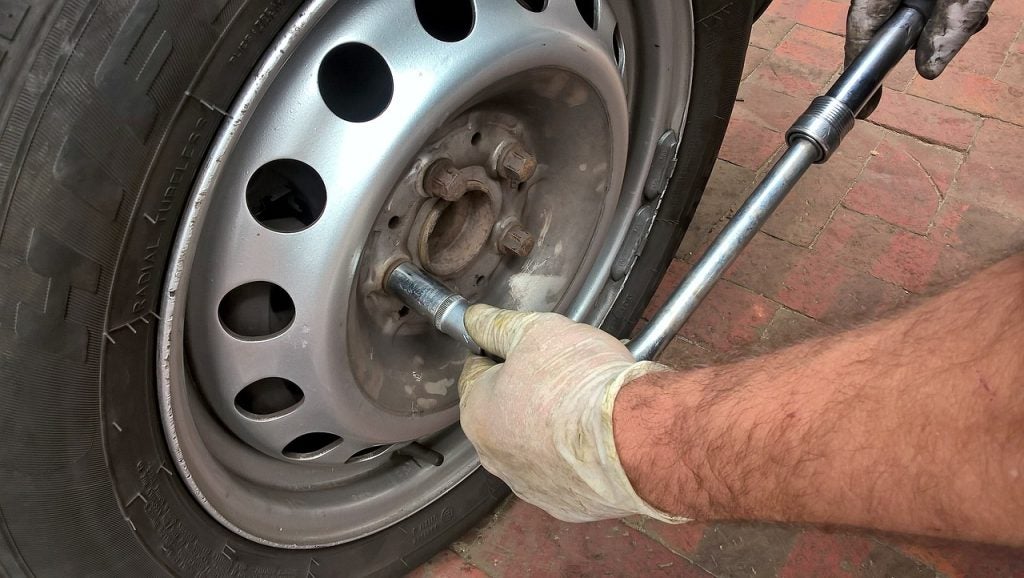
OEM components can consist of basic automotive parts, like brakes and rotors, but can also include pieces that enhance the style of the vehicle. This includes items such as windshield wipers, floor mats, mirrors, and roof mount bike attachments.

The Difference Between OEM and Aftermarket Parts

When consumers need replacement parts, OEM components are built to match the exact specifications of a vehicle so they always fit the part that needs replacing perfectly. Aftermarket parts, on the other hand, are produced by a company that is different from the company contracted by the automotive manufacturer and are not guaranteed the perfect fit, nor the high-quality product like those in the OEM market.

While aftermarket parts can have a smaller price point than OEM, there is such a wide variety of aftermarket parts available that the selection can be convoluted and in many cases, are lower quality when compared to OEM components. OEM components are guaranteed to always be a perfect fit and work just as well as the original part being replaced.

Visit us at Bacon Auto Country Inc. in Jacksonville, TX today to learn more about the benefits of OEM components, to get your vehicle serviced, or to get answers to any questions you may have.

Recommended Posts

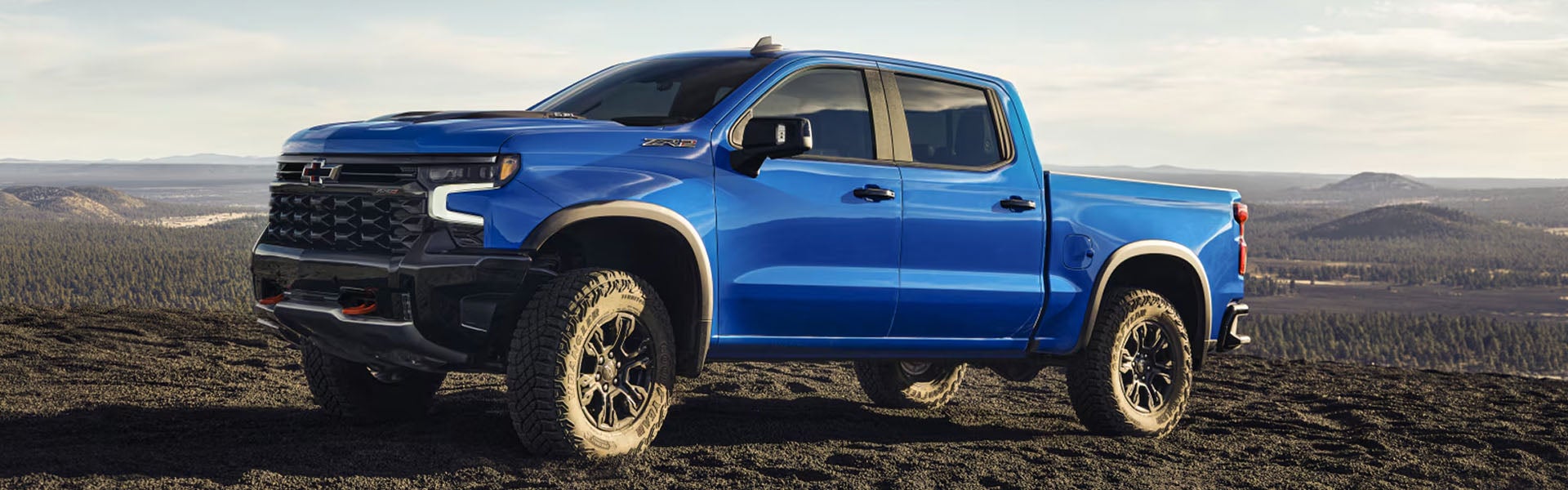
Blue Chevrolet Silverado pickup truck parked in a scenic landscape.

Chevy vs GMC Trucks: Which Is Right for You?

Are you in the market for a new pickup in Jacksonville, Texas? With so many solid options out there, it can be tough to make a choice. One way to make things easier is to narrow the field, and the best way to do that is start looking at Chevy vs GMC trucks. Both Chevy and GMC make great trucks, and they share the same parent company - General Motors - and even some of the same platforms, but they're not identical. Understanding where they differ can help you make the right choice for you. What Do Chevy and GMC Trucks Have in Common? At their core, Chevrolet trucks and GMC models share quite a bit under the hood. Both the Chevy Silverado and the GMC Sierra ride on the same full-size truck platform and offer similar engine options, cab configurations, and bed lengths. You'll find comparable towing and payload capabilities across both lineups, and both benefit from GM's engineering and safety technology. If you're focused purely on capability, either brand can get the job done. Where Chevy and GMC Trucks Differ One way to highlight the ways they differ is to look at the Chevy Silverado vs GMC Sierra comparison. GMC tends to lean into a more premium, luxurious experience. The Sierra's exterior styling features a more upscale look, and the Denali trim takes luxury truck features to a higher level with upgraded interior materials, a larger touchscreen, and distinctive badging. GMC also offers the AT4 off-road trim with serious capability for drivers who venture off-road. Chevy trucks, on the other hand, often appeal to buyers who want strong capability at a more accessible price point. The Silverado lineup includes a wide variety of trims that make it easy to find a well-equipped truck without stretching your budget. The Trail Boss trim delivers solid off-road credentials, and the High Country offers a high-end finish for those who want comfort and style. Which Truck Is Right for You? Choosing between Chevy vs GMC trucks often comes down to what you value most. If luxury finishes, premium technology, and a more distinctive look are priorities, the GMC Sierra - especially in Denali trim - is a good choice. If you're looking for a versatile, capable, and value-forward truck with plenty of trim options, Chevy trucks like the Silverado are hard to beat. Explore Both Lineups at Bacon Auto Country No matter if you're leaning toward Chevy trucks or a GMC Sierra, the best way to make your decision is to get behind the wheel. At Bacon Auto Country, you can browse current inventory, compare trims, and connect with a team that's ready to help you find the right fit. Stop by or visit us online and experience the difference for yourself.

Customers sitting inside a vehicle during a car purchase experience.

What to Check When Buying a Used Car

Buying a used car is a huge financial decision, and knowing what to check when buying a used car can save you a lot of headaches down the road. Whether you're a first-time car buyer or upgrading your current ride, a little preparation goes a long way toward finding a vehicle you can trust. At Bacon Auto Country, we want drivers throughout Jacksonville, TX to feel confident every step of the way. Here's a practical guide to help you shop smart. Review the Vehicle History Report Before you fall in love with any used car, start by pulling its vehicle history report. This gives you a clear picture of the car's past, including previous owners, accident records, odometer readings, and title status. It's one of the most important things to check before buying a used car, and it can reveal red flags that aren't visible at first glance. Pay close attention to any reported flood damage, salvage titles, or frequent ownership changes. These can signal deeper issues that affect reliability and resale value. Inspect the Exterior and Interior Carefully Walk around the entire vehicle and look for uneven panel gaps, mismatched paint, or rust spots. These can indicate past collision repairs that weren't properly disclosed. Check that all doors, the hood, and the liftgate open and close smoothly. Inside, test every feature you can - the touchscreen, air bag indicator lights, windows, mirrors, and climate controls. Worn pedals or a heavily used driver's seat can also give you a realistic sense of how many miles the car has seen. Check Under the Hood You don't need to be a mechanic to do a basic under-the-hood inspection. Look for signs of oil leaks, corroded battery terminals, or cracked hoses. Check the fluid levels, including oil, coolant, and brake fluid. If the engine bay looks unusually clean, that could be a sign it was recently pressure-washed to hide leaks. A well-maintained engine will look clean but not suspiciously spotless. Take It for a Test Drive A test drive is crucial when buying a used car. Drive it on both city streets and at highway speeds. Listen for any unusual sounds like knocking, grinding, or rattling. Pay attention to how it accelerates, brakes, and handles. Notice if the steering pulls to one side, if the transmission shifts smoothly, and if the brakes feel firm. Any hesitation or strange behavior during the drive is worth investigating further before committing to a purchase. Get a Pre-Purchase Inspection Even if a car looks and drives great, having it inspected by a trusted mechanic is a smart move. A professional can spot issues that aren't obvious to the average buyer, from suspension wear to exhaust system problems. A modest inspection fee can prevent you from spending far more on unexpected repairs later. Visit Bacon Auto Country in Jacksonville, TX Knowing what to check when buying a used car helps you approach the process with confidence rather than anxiety. From reviewing the vehicle's history and inspecting the exterior to taking a thorough test drive and getting a professional inspection, each step brings you closer to a smart, informed decision. The team at Bacon Auto Country is here to make the experience straightforward and stress-free. Come in and see us to explore current inventory and find the right vehicle for your needs.

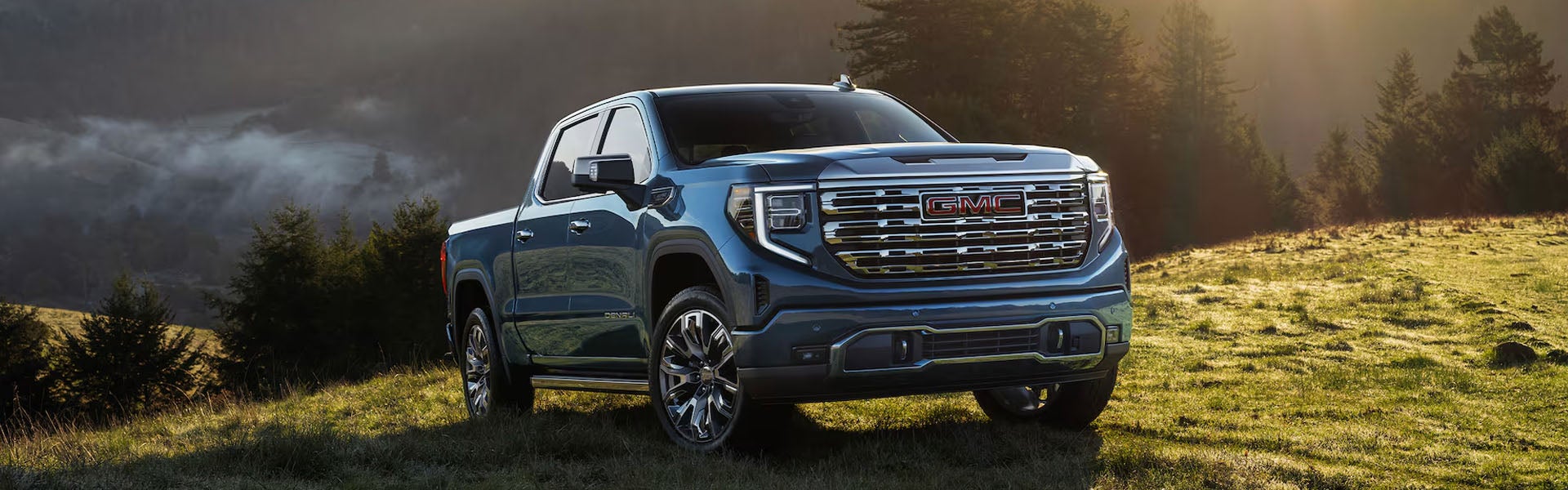
Blue GMC Sierra 1500 pickup truck parked in a scenic mountain landscape

Which GMC Sierra 1500 Bed Configuration Is Right for You in Jacksonville, TX?

Shopping for a new truck requires making several important choices to maximize daily capability. The right bed length makes a meaningful difference in productivity and utility. Finding the ideal bed configuration often gets overlooked during the buying process. At Bacon Auto Country in Jacksonville, TX, we help drivers find the perfect GMC Sierra 1500 for their needs, and we invite you to contact us for more details. Why Bed Length Matters on the GMC Sierra 1500 The GMC Sierra 1500 offers multiple bed lengths designed for specific driver requirements. Selecting the incorrect size could leave you short on hauling space or struggling to maneuver in tight spots. Understanding your options ensures the truck fits your lifestyle perfectly. Short Bed (5 Feet 8") The short bed appeals to drivers prioritizing everyday convenience. Measuring 5 feet 8", it provides a manageable footprint that simplifies parking in garages and urban lots. This configuration offers solid cargo capacity for weekend projects and light hauling. It pairs exclusively with the crew cab, maximizing rear passenger room. Standard Bed (6 Feet 6") The standard bed strikes a useful balance by providing extra room without upgrading to a full long bed. At 6 feet 6", it delivers noticeably more cargo space than the short bed while remaining manageable to drive. This fits drivers splitting time between work tasks and daily commuting. Available tie-down points and cargo management options make it a versatile everyday workhorse. Long Bed (8 Feet) The long bed delivers maximum cargo real estate for hauling large loads, lumber, or equipment. Measuring 8 feet, it accommodates full-size plywood sheets and oversized materials. This option appeals to buyers using their Sierra 1500 primarily as a heavy-duty work truck instead of a daily driver. Matching Cab and Bed to Your Lifestyle Bed length connects directly to your chosen cab style. The regular cab pairs with longer beds, the double cab provides a middle ground, and the crew cab pairs with the short or standard bed. Balancing your passenger capacity with your cargo needs narrows down your ideal Sierra configuration quickly. Visit Bacon Auto Country to Compare Configurations The right GMC Sierra 1500 bed setup depends on how you plan to use your truck. Whether you prioritize easy maneuverability, everyday versatility, or maximum cargo capacity, comparing bed lengths in person can help you make a confident choice. Visit Bacon Auto Country in Jacksonville, TX to explore available Sierra 1500 configurations, compare truck-bed dimensions side by side, and speak with our team about the hauling and towing needs that matter most to you.