




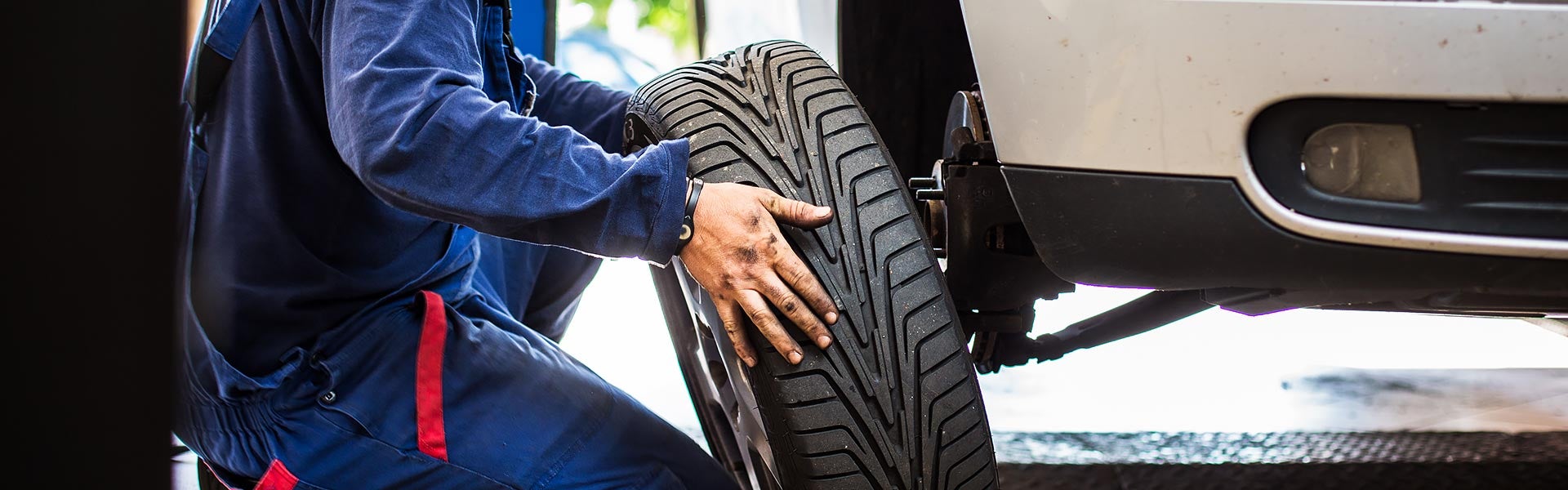
1. Your Tread Depth Is Too Low
Tire tread is what channels water away from the contact patch and keeps your Chevy gripping the road. The legal minimum tread depth in Texas is 2/32 of an inch, but many safety experts recommend replacing tires at 4/32 of an inch to maintain reliable wet-weather performance. A quick way to check is the penny test: insert a penny into the tread groove with Lincoln's head pointing down. If you can see the top of his head, your tread is dangerously low. Definitely time to replace your Chevy’s tires.
2. You Notice Uneven Wear Patterns
Tires that wear unevenly across the width of the tread are telling you something is off. Wear on just the outer or inner edges often points to an alignment problem, while wear in the center of the tread can indicate chronic overinflation. Cupping or scalloping across the tread surface is frequently a sign of worn shocks or struts. Catching these patterns early through regular Chevrolet tire maintenance can help you address the root cause before it damages a new set of tires.
3. Cracks, Bulges, & Blisters, Oh My!
A tire's sidewall takes a beating from curbs, potholes, and UV exposure over time. Visible cracks in the rubber signal that the tire is drying out and losing structural integrity. Bulges or blisters on the sidewall are especially serious; they indicate that the internal structure has failed, and the tire could blow out without warning. If you spot any of these issues on your Chevy, do not wait. Schedule a Chevrolet tire service appointment right away.
4. Your Tire Pressure Keeps Dropping
If that TPMS light has become a thorn in your side because it never seems to go away, it’s time for tire service. Properly inflated tires are essential for ride quality, tread life, and even fuel efficiency. If more of your tire is touching the ground, it takes more fuel to push it forward. Most Chevrolet models recommend checking tire pressure monthly and before long trips. If you find yourself repeatedly adding air to the same tire, you likely have a slow leak caused by a nail, a damaged valve stem, or a compromised bead seal. A persistent pressure loss is not something to ignore, and a quick inspection can determine whether a repair or full replacement is needed.
5. Your Ride Feels Rough or Your Steering Wheel Vibrates
Vibration through the steering wheel or an unusually rough ride can point to an out-of-balance tire, a separated belt inside the tire, or significant uneven wear. While vibration can sometimes come from a wheel balance issue, it can also mean the tire itself is no longer structurally sound. Pairing a tire inspection with a Chevrolet tire rotation helps ensure even wear across all four corners and extends the overall life of your tires.
Keep Your Chevy Rolling at Bacon Auto Country Inc. in Jacksonville, TX
Staying on top of Chevrolet tire service is one of the simplest ways to protect the vehicle you rely on and keep your family safe. From checking your Chevy’s tire tread depth to scheduling routine Chevy service in Jacksonville, TX, the team at Bacon Auto Country Inc. is here to help. If you noticed any of the signs above, stop by or visit [https://www.baconautocountry.com](https://www.baconautocountry.com) to schedule your tire inspection today.